Most people do cold plunging wrong the first time. They fill the tub with ice water, get in at 45°F for 30 seconds, panic, get out, and decide the whole thing is miserable and not for them. Then they wonder why they quit a habit that 10 years of research confirms works.
The problem isn't cold water. The problem is that nobody gave them a protocol. Cold plunging is a skill — not a personality test. Your nervous system needs time to adapt. Your breathing needs to be trained. The temperature needs to be dialed in incrementally. Start right, and by week 4 you'll look forward to it. Start wrong, and you'll quit before you ever feel the benefit.
This is the 30-day beginner protocol. Week by week. Temperature, duration, frequency, and what to focus on at each stage.
58–60°F
Starting temperature for beginners (Day 1)
2–3 min
Duration for your very first plunge
30 days
Time to build a real, sustainable cold plunge habit
Before Your First Plunge: What to Know
Cold water immersion is safe for most healthy adults. But a few things you need to know before you get in:
⚠️ Skip If Any of These Apply
Heart conditions, high blood pressure, or arrhythmias: Cold shock triggers a cardiovascular stress response — rapid increase in heart rate and blood pressure. Get clearance from your doctor first.
Raynaud's disease: Extreme cold can trigger severe vasospasm in the extremities. Not appropriate without medical guidance.
Pregnancy: Cold immersion has not been sufficiently studied for safety during pregnancy. Skip it.
Open wounds, active skin infections, or recent surgery: Wait until healed.
If you're a healthy adult with none of the above, you're good. The standard medical literature categorizes cold water immersion at 50–60°F as low-risk for healthy populations. Millions of people do this daily without issue. The physiological stress is real but brief and well-tolerated once you've adapted.
The Cold Shock Response
Here's what happens in the first 30 seconds when you enter cold water: your body triggers the cold shock response. Involuntary gasp, rapid breathing, heart rate spike. This is the moment most beginners panic and bail. The response is real and not fully suppressible — but it is trainable. Each session, it becomes shorter and less intense. By week 3 most people have it dialed down to a quick controlled exhale and a moment of sharp focus. The first time is the worst it'll ever be.
❄️ Physiology Note
Why the first 60 seconds are the hardest: The cold shock response activates maximal skin thermoreceptor firing the moment you enter. The nervous system reacts as if the cold is existential. But skin temperature adapts quickly — the receptor firing rate drops off within 60–90 seconds as you habituate to the stimulus. The discomfort is front-loaded by design. Push through the first minute and the remaining 9 are genuinely manageable.
The 30-Day Cold Plunge Protocol — Week by Week
This protocol is built on the same temperature and duration ranges validated in the research on cold water immersion and recovery. The ramp is deliberate — not because the colder protocol is dangerous, but because your nervous system needs to learn how to manage the thermal stress. Skip the ramp and you're likely to quit. Follow it and you'll hit the full therapeutic protocol by day 21.
Temperature
58–60°F
Duration
2–3 minutes
Frequency
3x per week
Primary Focus
Breathing control
Goal: Survive the cold shock response with a controlled exhale. Success is 2 minutes at 58°F without panicking — not 10 minutes at 45°F.
Temperature
55–58°F
Duration
5–7 minutes
Frequency
3–4x per week
Primary Focus
Extend the hold
Goal: Notice the cold shock response shortening. By the end of week 2, you should feel relatively settled within 90 seconds of entry. Drop the temp 2–3 degrees from week 1.
Temperature
52–55°F
Duration
8–11 minutes
Frequency
4x per week
Primary Focus
Relaxation in cold
Goal: You're inside the therapeutic range now. Focus on consciously relaxing your shoulders and jaw — the places your body defaults to tension. You should feel genuine calm by the 5-minute mark.
Temperature
50–55°F
Duration
11–15 minutes
Frequency
4–5x per week
Primary Focus
Optimize recovery
Goal: This is the full research-backed recovery protocol. You're here now — not surviving the cold, but using it as a tool. Track how your soreness and energy levels differ on plunge days vs. rest days.
| Week |
Temperature |
Duration |
Frequency |
Primary Goal |
| Week 1 |
58–60°F (14–16°C) |
2–3 min |
3x |
Survive the cold shock. Don't panic. |
| Week 2 |
55–58°F (13–14°C) |
5–7 min |
3–4x |
Extend the hold. Breathing settles faster. |
| Week 3 |
52–55°F (11–13°C) |
8–11 min |
4x |
Inside therapeutic range. Learn to relax. |
| Week 4+ |
50–55°F (10–13°C) |
11–15 min |
4–5x |
Full protocol. Track recovery outcomes. |
📅 When to Plunge
Best time for recovery: Within 30–60 minutes after physical work or training. The inflammatory response peaks in the first hour post-exertion — interrupting it early produces the most benefit.
Morning plunging: Also works. Activates the sympathetic nervous system and boosts norepinephrine — research shows lasting alertness and mood lift for 3–4 hours post-plunge. Many people plunge first thing, then again post-workout.
Don't skip if you're late: Even a plunge 2–6 hours post-workout reduces DOMS better than no plunge. Late is better than nothing.
What to Do Before You Get In
The 5 minutes before you enter the cold water determine a lot about whether the session is controlled or chaotic. Most beginners skip prep and pay for it. Here's the pre-plunge routine that matters:
1
Check the Temperature
Know what you're getting into before you get in. Week 1 target: 58–60°F. If you're using ice, check with a cheap thermometer before entry. Blindly stepping into 45°F when you expected 58°F is how people panic and quit. Temperature precision is the main argument for a chiller unit over ice.
2
Set a Timer
Before you enter, set a visible timer for your target duration. In the cold, 2 minutes feels like 5. Having a timer eliminates the mental negotiation — you agreed to 3 minutes, the timer will tell you when it's done. Remove decision-making from inside the plunge.
3
Take 3 Long Exhales
Standing at the edge of the tub, take 3 deep breaths — long slow exhale through the mouth on each. This activates the parasympathetic nervous system before the cold shock triggers the opposite. Not a magic trick, but it meaningfully reduces the panic intensity of the first 20 seconds. Do this every single session.
4
Enter Deliberately — Not Slowly
Don't lower yourself in inch by inch. Slow entry prolongs the skin-surface cold shock and makes the first 60 seconds worse. Enter over 3–5 seconds — fast enough that you're submerged before you've had time to think about it, but not so fast that you lose control of your breathing. Shoulders under before you sit down.
5
Find Something to Focus On
The moment you're in, pick a focal point — a spot on the wall, your breath, a count. The cold shock response feeds on undirected attention. Giving your brain something specific to do — counting exhales, watching the timer, reciting something — compresses the subjective intensity of the first minute. This is not a meditation practice; it's a distraction tactic, and it works.
5 Mistakes That Kill the Habit Before It Starts
Every beginner makes at least two of these. Know them in advance so you can skip the part where you decide cold plunging isn't for you after three bad sessions.
1
Going Too Cold Too Fast
The most common and most damaging mistake. First-timers see "cold plunge" and assume colder equals better. It doesn't. 50°F and 45°F produce nearly identical recovery outcomes. But 45°F on day one with an unadapted nervous system produces a panic response that convinces most people the practice is miserable. Start at 58–60°F. Give yourself 3 weeks to reach 50°F. The benefit is in the temperature range, not the extreme.
2
Not Controlling Breathing Before Entry
The cold shock response produces an involuntary gasp and rapid, shallow breathing. If you're already in a sympathetic state when you enter (stressed, rushed, adrenaline up), the response is amplified. Three long exhales before entry is not optional — it's the difference between a controlled first minute and a panicked one. Do it every time without exception for the first two weeks.
3
Tensing Up and Fighting the Cold
Your body's default response to cold is to tense every muscle it can reach. Shoulders up, jaw clenched, fists balled. This doesn't conserve heat effectively and it makes the experience significantly worse. Consciously relax your shoulders every 30 seconds inside the tub. Let your jaw unclench. The cold doesn't get warmer, but the resistance inside your body becomes manageable. This is a skill that builds — by week 3 you'll do it automatically.
4
Getting Out from Mental Discomfort Instead of Physical Need
There's a difference between "I want to get out" and "I need to get out." Shivering is normal. Cold discomfort is expected. Feeling urgency to exit is the default state for a beginner — it's not a signal that anything is wrong. You need to exit if you're losing motor control, feel chest pain, or can't breathe normally. The urge to get out at minute 1.5 of a 3-minute session because it's uncomfortable is just your nervous system doing its job. Don't negotiate. Finish the timer.
5
Jumping Straight Into a Hot Shower
When you exit the tub, vasoconstriction begins to reverse. Blood rushes back to the periphery and the "rewarming flush" carries metabolic waste out of muscle tissue. This flush is part of the mechanism. If you immediately step into a hot shower, you're short-circuiting it. Allow 5–10 minutes of natural rewarming — put on clothes, move around, let your body rewarm itself before adding external heat. The discomfort of those 5 minutes is where some of the recovery benefit lives.
What You Need to Start — Equipment Recommendations
You don't need expensive gear to start. You need a tub that holds enough water to submerge your body, insulation that keeps it cold for a session, and a way to get to your target temperature. Here's the honest breakdown by stage of commitment:
🚀 Best for Beginners — Testing the Habit
Plunge Chill POD
$79 POLARBURN5 — 10% off
Collapsible, portable, good insulation for a starter bag. You fill it with water and ice, check the temp, get in. No infrastructure, no commitment. Under $100 with the code. If you're not sure whether you'll stick with cold plunging, this is how you find out before spending $948 on a chiller bundle. 10% off with POLARBURN5 — under $72.
Shop Plunge Chill →
💪 Committed Beginner — Daily Driver
Titan Arctic Triumph + Chiller Bundle
$948 POLARBURN5 — 5% off
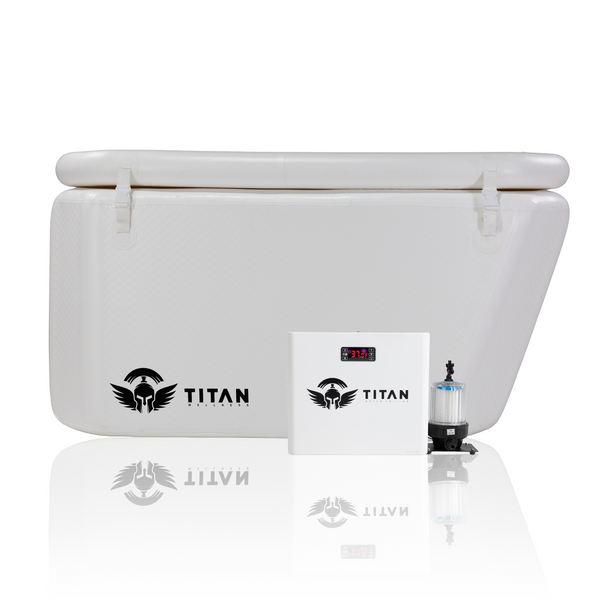
If you already know you're going to stick with this — or you've done ice baths before and want to do it properly — go straight to a chiller bundle. Temperature precision every session. No ice runs on the way home from work. The Titan bundle is the cheapest real chiller setup on the market. At 5% off with POLARBURN5, under $901. Pays for itself vs. ice in under a year at 4–5x/week.
Shop Titan Wellness →
⭐ Best Mid-Range — Long-Term Setup
Plunge Chill MAX
$539 after code POLARBURN5 — 10% off
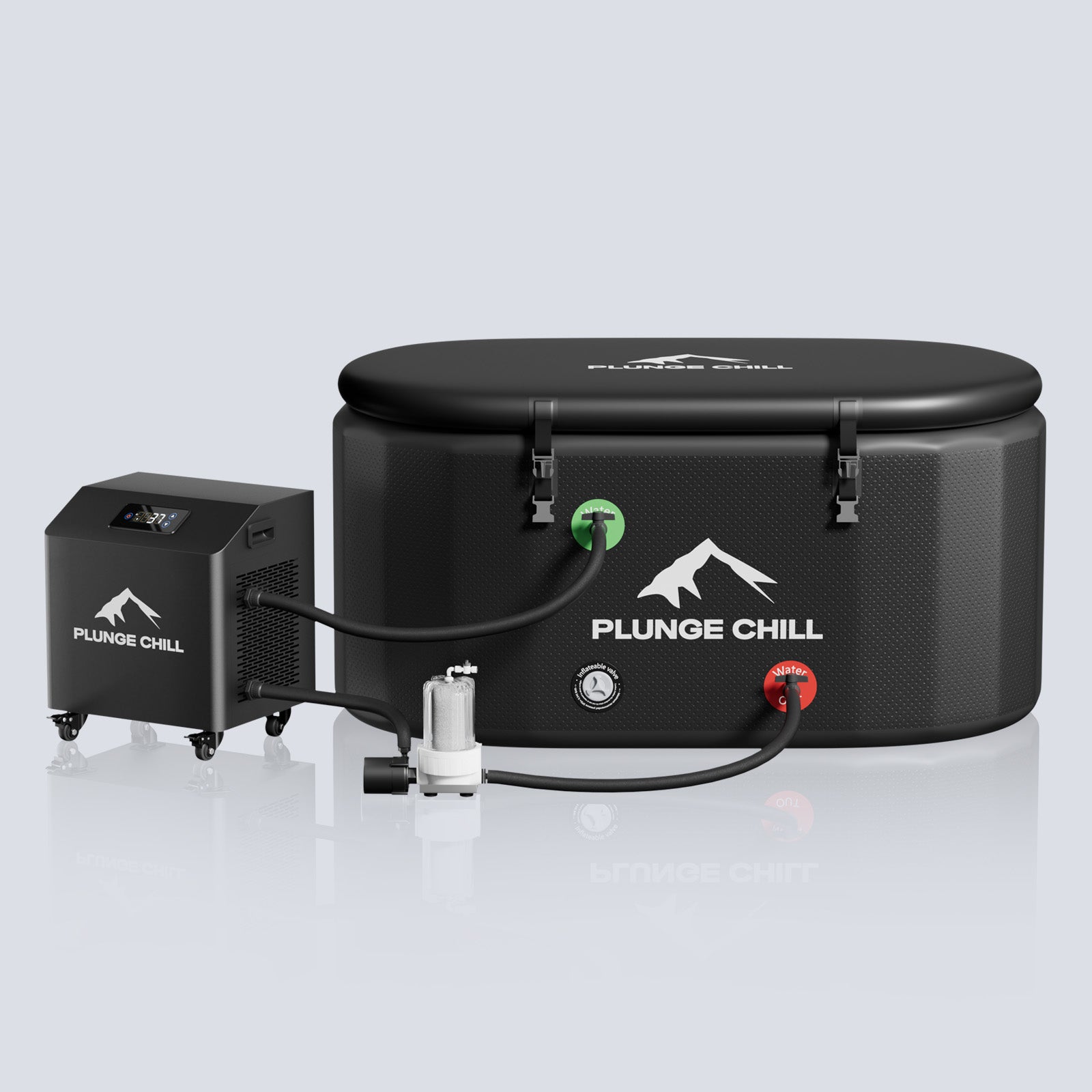
Heavy insulation, integrated chiller system, holds temperature precisely across every session. If you want the cleanest setup under $600 that will serve you for 5+ years, this is it. 10% off with POLARBURN5. No ice, no guessing, no temperature drift mid-session. Built to be the last tub you buy before going premium.
Shop Plunge Chill →
Buying Guide
Best Cold Plunges for Home Recovery 2026 — Full Comparison →
Recovery Science
Cold Plunge Benefits for Sore Muscles — The Science →
Frequently Asked Questions
How should a beginner start cold plunging?
Start at 58–60°F for 2–3 minutes, 3 times per week. Take 3 long controlled exhales before you get in. Enter in 3–5 seconds, not slowly. Focus on breathing — the first 60 seconds are the hardest and it gets easier after that. Don't try to match the "hard-core" protocols you see online. The goal in week 1 is controlled acclimation, not suffering through it. Ramp temperature and duration over 4 weeks until you reach the therapeutic target: 50–55°F for 10–15 minutes.
What temperature should a first cold plunge be?
58–60°F (14–16°C) is the right starting point. This is cold enough to trigger the physiological stress response and train your nervous system, but not so cold that the cold shock response overwhelms you. The therapeutic range for full recovery benefits is 50–59°F — that's your 4-week target. Don't start there on day one.
How long should your first cold plunge be?
2–3 minutes. That's it. The goal is controlled exposure — not endurance. A clean 2-minute plunge at 58°F where you stay in control of your breathing is more valuable than forcing 6 minutes and panicking. By week 3, you'll be working toward 10+ minutes comfortably. Build there gradually.
How many times per week should a beginner cold plunge?
3 sessions per week for the first two weeks. This is enough to build adaptation without overloading your nervous system. Add a 4th session in week 3 as tolerance develops, and work toward 4–5x/week by week 4. Daily plunging is fine once you've been consistent for a month and your sessions feel controlled.
What are the most common cold plunge mistakes beginners make?
The five biggest: (1) Going too cold too fast — 45°F day one is how people quit. (2) Not breathing before entry — three long exhales prevent the worst of the gasp reflex. (3) Tensing up instead of relaxing. (4) Getting out too soon from mental discomfort when nothing physical is wrong. (5) Jumping straight into a hot shower before natural rewarming is complete. All five are covered in detail above.
How cold does a cold plunge need to be to get benefits?
50–59°F (10–15°C) is the research-backed therapeutic range. The 2012 Cochrane systematic review on cold water immersion found consistent muscle soreness reduction (approximately 20% vs. passive rest) in studies using water in this range. You don't need to go below 50°F — benefits plateau and risks increase. Start at the warmer end and work toward the middle of the range over 4 weeks.
Can I cold plunge every day as a beginner?
Not in the first two weeks. Give your nervous system recovery time between sessions — start with 3x/week. After consistent plunging for 2+ weeks where your breathing is controlled within 60–90 seconds of entry, increase to 4–5x. Daily (7x/week) plunging is safe and often beneficial for active recovery once the habit is established — typically after 3–4 weeks. Don't rush it.
Ready to Start Your Protocol?
Use POLARBURN5 for 10% off Plunge Chill tubs and 5% off Titan Wellness. If you're testing the habit, start with the Plunge Chill POD. If you're committed, go straight to a chiller bundle — the Titan Arctic Triumph at $948 is the cheapest real setup on the market.
Shop Plunge Chill →
Shop Titan Wellness →
Compare All Cold Plunges →